That tiny up-tick at the tail of your left brow that only shows when you smile, or the right brow that always sits a few millimeters higher in photos, is not a minor quirk to everyone. I first learned how much it mattered during a bridal prep clinic, when a client slid her phone across the counter with a gallery of trial photos and circled, again and again, the same half-centimeter difference. She wasn’t chasing perfection. She wanted symmetry that read as calm, not curious, when the camera caught her mid-laugh. Botox, used precisely, can do that.
What eyebrow asymmetry really is, anatomically
Eyebrow position is controlled by a push-pull between elevators and depressors in the upper face. The frontalis muscle lifts the brows. The corrugator supercilii and procerus pull them inward and down, creating frown lines. The orbicularis oculi, especially the lateral fibers near the crow’s feet, also nudge the tail of the brow downward during smiling. If one side is a touch stronger or shorter, the brow position shifts.
Most asymmetry is a blend of muscle imbalance, bony variation, and habit. Right-handed people often raise the dominant brow more while speaking, which trains that frontalis side into overactivity. Minor differences in orbital rim height, prior injuries, dental work that altered bite patterns, or even chronic sinus issues can prime one side for more tension. Botox doesn’t change bone or skin, but it can rebalance the muscles that set the brows’ resting and expressive positions.
Expectations vs reality: what Botox can and cannot fix
The most honest way to frame Botox for eyebrow asymmetry is this: it refines the dynamic elements that lift and pull the brows. It can correct mild to moderate unevenness by adjusting how far the brow moves up or down at rest and with expression. The change is measured in millimeters. A good result often lives in the 1 to 3 mm range, which is surprisingly visible in photos and in the mirror. If asymmetry is driven by volume loss under the brow or by bony asymmetry, Botox can still help, but pairing with filler or energy-based skin tightening sometimes provides a better finish.
Botox expectations vs reality comes down to dose, pattern, and your anatomy. Subtle Botox results are not an accident. They happen with a low dose strategy and a map that respects your personal muscle pattern, not a canned template. If you walk in expecting a complete lift or to “fix” a large structural difference, you will be disappointed. If you want to soften a high-arched side, reduce forehead heaviness, or bring the tails into closer alignment, that is realistic.
How we plan the treatment: mapping the asymmetry
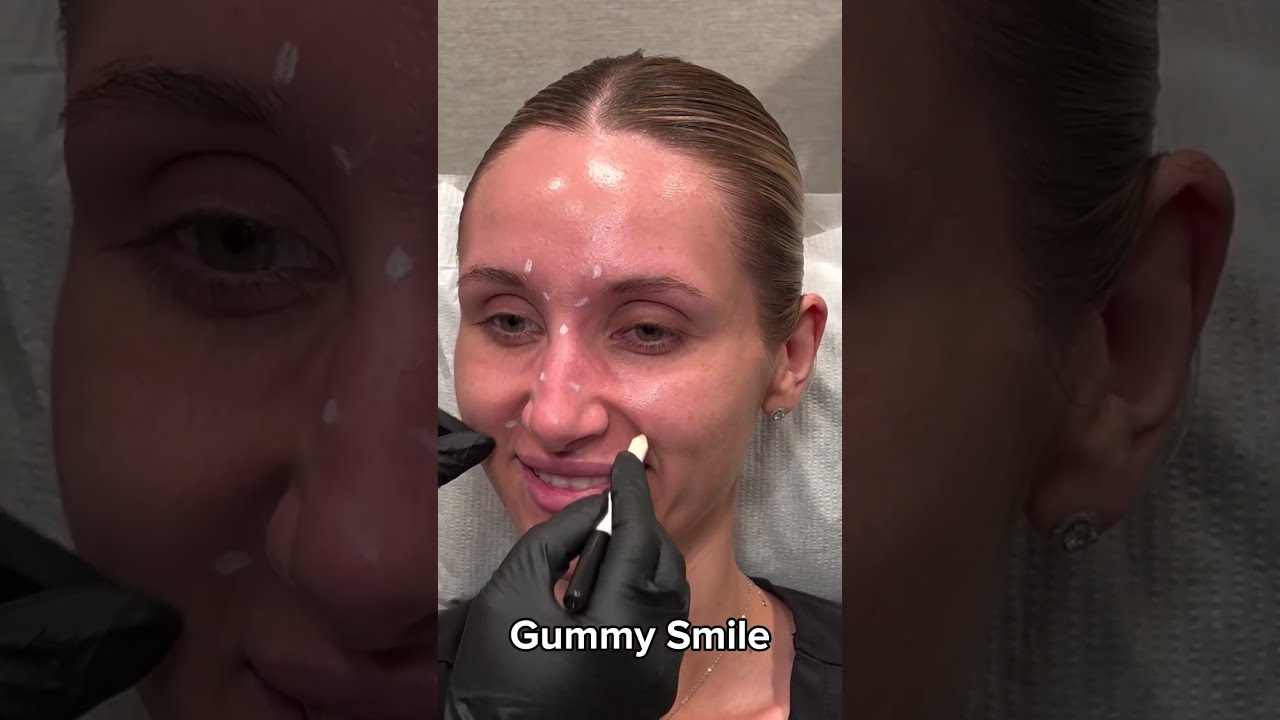
Before a needle appears, I mark the face while you animate. We look straight on, then in three-quarter view, and again in profile. I ask you to raise your brows, frown, and smile. This shows the exact pull of each muscle group. I palpate the frontalis to feel where it activates. The upper third of the frontalis lifts the outer brow, while the central fibers raise the middle. The corrugator runs from the inner brow toward the center of the forehead and can push one inner brow down more than the other. The lateral orbicularis oculi contributes to tail droop when you grin.
The injection mapping is personal. Some patients need two to four tiny dots of Botox into the frontalis on the higher side to bring it down a fraction. Others benefit more from reducing the lateral orbicularis on the lower side, allowing that tail to float up a hair. Occasionally, we relax one corrugator head that yanks the inner brow down asymmetrically. Every dot has a purpose. It is not “sprinkling,” it is engineering.
Dosing strategy: low and measured beats heavy and fast
A low dose Botox approach is essential for the upper face. Over-treating suppresses movement, shifts weight to untreated fibers, and invites the dreaded frozen look. For asymmetry, I start with very small increments, often 1 to 2 units per point, and treat fewer points than you might expect. It is easier to add during a refinement session than to wait three months for excess to wear off. On the higher brow, two to six units strategically placed in the frontalis can drop it a millimeter or two. On the lower brow, two to four units into the lateral orbicularis can allow a touch of lift. If the inner brow sits too low on one side, 2 units to a single corrugator head can relieve downward pressure.
High dose Botox risks in the upper face include eyebrow flattening, forehead heaviness, or an unintended arch that looks surprised. Asymmetry makes these missteps more obvious. That is why spacing between treatments, dose, and map must be tailored to your face shape and baseline movement. Precision matters more than volume.
How to avoid the frozen look and preserve natural facial movement
The frozen look often comes from treating every wrinkle rather than the muscles that distort expression. If your goal is to soften harsh expressions or adjust asymmetry, it is better to leave small islands of movement in the frontalis. A single untreated central line can preserve a natural raise without reading as “wrinkled.” Botox for natural facial movement means treating the pull, not erasing the face.
Coordination between the forehead and glabella is vital. If the corrugators are overactive and only the frontalis is treated, the brows may sit heavy. Conversely, if the frontalis is suppressed too much, the brow can droop and emphasize upper lid skin. Balancing both allows a Warren botox options relaxed, open look, not a glassy one.
The correction timeline: how soon you see change
Here is the usual course. You may notice small changes in three to five days, with most people seeing a clear shift by day 7 to 10. Peak results arrive around two weeks. That is the best time to judge symmetry and plan a touch up. I encourage a short follow up visit at days 12 to 16 if you are new to asymmetric correction. A refinement session of 1 to 4 units can turn a good result into a precise one. Asking how soon Botox shows results is common, and the answer matters because photos for events shouldn’t be scheduled during the settling period. Give yourself two to three weeks before important events for both sides to match nicely.
When results look uneven, and why
Botox uneven results have several causes. One side may metabolize slightly faster. Pre-existing muscle imbalance can resist change. Minor placement differences at the millimeter level matter in the frontalis because the muscle fibers run vertically, and a lateral dot placed 5 mm too high or low shifts the lift point. Patient behavior matters too. Rubbing, massaging, or laying face down immediately after treatment may change diffusion patterns.
Correction strategies include micro-additions of 1 to 2 units where needed, adjusting the lateral points to fine-tune the tail, or releasing a corrugator head if the inner brow reads heavy. True “migration” is often a myth when we discuss cosmetic doses. Botox diffusion explained simply: it spreads a limited radius from the injection site. If the initial dot was placed near a different functional segment of the muscle, the effect can look like migration when it is actually placement. Skilled mapping prevents this.
Safety, stigma, and long-term data
Botox safety myths persist, but the medication has decades of clinical use in both cosmetic and therapeutic settings, with millions of patient-years of exposure. Long term safety data supports its use when dosed appropriately. Common short-term issues include small bruises, temporary swelling, or a dull headache. Bruising prevention starts with avoiding blood thinners when appropriate, using the smallest practical needle, and gentle pressure afterward. Swelling management is straightforward: cool compresses and sleeping with the head elevated the first night if you are prone to puffiness.
The Botox tolerance myth deserves a clear explanation. Can Botox stop working? True resistance is rare. It usually involves antibody formation after very high cumulative doses or frequent booster sessions, which is more relevant in therapeutic settings like spasticity treatment. Cosmetic dosing is much lower, and when we respect spacing between treatments, antibody formation is uncommon. Botox resistance explained for cosmetic users comes down to dose, product purity, and interval. If someone feels like it “works less,” it is often a change in injector technique, stress levels that increase muscle activity, or a longer interval than their face prefers.
Stigma is different. Botox stigma explained: some people associate it with frozen expressions because they have only seen heavy, uniform treatment or celebrity outliers. Modern Botox techniques prioritize movement and micro-adjustments. When a brow is balanced properly, it does not advertise itself. It just stops drawing attention for the wrong reason.
Choosing the right injector and asking the right questions
Asymmetry work is not beginner terrain. Injector skill importance shows up in how someone reads your face while you talk, and whether they can explain which muscles they plan to target and why. You want modern Botox techniques, not a set of dots copied from a forehead chart. Ask to see before-and-after photos specific to asymmetric brows, not just frown line smoothing. The best providers can discuss their dosing strategy, how they avoid the frozen look, and what their refinement process looks like.
Here is a short, practical checklist you can take into a consultation.
- Where do you expect my brow to change, tail or inner third, and why? What is your plan if one side settles differently by day 14? How low is your starting dose, and how do you handle a refinement session? How do you map the frontalis to avoid forehead heaviness? What is your interval recommendation for maintaining symmetry without over-treating?
If a provider dismisses the nuance of asymmetry or offers a one-size-fits-all plan, consider that a red flag. You are looking for someone who respects millimeters.
Managing aftercare and avoiding common mistakes
Aftercare is simple but matters. Keep your head upright for at least four hours. Skip intense exercise for the rest of the day since increased blood flow can alter diffusion. Do not rub or massage the area. Light skincare is fine in the evening, but be gentle. Makeup after Botox is allowed the same day if applied lightly, with clean brushes or fingers. Facials after Botox timing matters, though. Wait at least one week for vigorous massage, lymphatic work, or tools that press deeply into the forehead or around the brows.
Sleeping position after Botox usually botox MI does not affect outcomes beyond the first evening. If you can, sleep supine the first night, especially if you are sensitive to swelling. Skincare after Botox should avoid strong acids or retinoids right over the injection points for 24 hours to reduce irritation. These steps reduce the tiny risks and improve predictability.
Handling special scenarios: forehead heaviness, the Spock brow, and smile balance
Forehead heaviness can occur if the frontalis is suppressed globally while the brow depressors are left strong. The fix is to lighten the frontalis dose or to add a touch to the corrugator and procerus so the brow does not sag against stronger downward pull. The “Spock brow,” where the lateral tail shoots up too much, happens when central frontalis is heavily treated and lateral fibers are left too free. For asymmetry work, this is corrected by placing a 1 to 2 unit micro-dot into the lateral frontalis on the high side.
Brow position also changes when you smile, because the orbicularis contracts. Botox smile balance is an art: relaxing the lateral orbicularis on the side where the tail collapses most can keep the smile even without changing eye shape. If the fix is overdone, the eye can feel slack. Less is more. That theme runs through every good asymmetry correction.
Touch-ups, intervals, and timing around events
Botox effectiveness over time stays fairly consistent when you stick to sensible intervals. For most people, three to four months is the sweet spot. Some metabolize a bit faster and prefer every 10 to 12 weeks. If you are correcting eyebrow asymmetry for the first time, plan a refinement at two weeks, then your next full treatment at three to four months. Botox spacing between treatments helps maintain responsiveness and reduces the chance of antibody formation.
Seasonal timing and life events matter. Best time of year for Botox is whenever your schedule allows a two-week window for settling, but many people like to plan before wedding seasons or the holidays. Botox before special events should be scheduled about three to four weeks in advance to allow for a follow up visit and any small adjustments. If you are pairing with skincare procedures, place chemical peels or microneedling either a few days before Botox or at least one week after, to avoid pressure around the injection sites. Botox with fillers planning should avoid same-day pressure near the brows, but it is fine to treat in the same month with careful sequencing.
When to combine treatments and when to hold back
Botox excels at muscle-driven asymmetry. If your brow sits lower because of volume loss in the lateral brow fat pad or temple, small filler placement can complement the Botox to lift the frame, not just the muscle action. Conversely, if skin laxity is the driver, energy-based tightening may set the stage so that lighter Botox finishes the look. A full face approach is not about treating everywhere, it is about understanding how small changes in one region affect expression elsewhere. Simple rule: fix the pull first, then address the frame if needed.
There are also situations where restraint is best. If your brow ptosis is significant from heavy eyelid skin or congenital differences, Botox may not deliver the change you want. Think carefully about is Botox worth it in those cases. The pros and cons tilt toward limited change and a risk of heaviness if not done perfectly. An honest conversation matters more than a needle.
Psychological effects and the confidence conversation
There is a quiet benefit I see often. Patients who carry a slightly skeptical or worried brow at rest tell me colleagues no longer ask if they are tired or stressed. That relief is real. Botox confidence benefits are less about vanity and more about social friction reduction. Subtle changes in brow symmetry can shift social perception, especially in high-stakes work or on-camera roles. The psychological effects are not magic, but they exist: fewer self-corrections in photos, less brow guarding when speaking, and a softer self-image. Framing this properly helps defuse stigma. You are not changing your face. You are removing visual noise that distracts from what you are saying.
Addressing myths and edge questions
A few quick clarifications that come up in consultations:
- Botox migration myth: at cosmetic doses and with correct technique, significant migration is not expected. Apparent “spread” usually reflects the local diffusion radius, which providers plan for. Speech effects myth and chewing changes: upper-face dosing should not affect speech or chewing. Those issues relate to high-dose lower face or masseter treatments, which are unrelated to brow work. Headaches vs migraines: while Botox has a therapeutic role for chronic migraine, the micro-doses used for eyebrow asymmetry are not a treatment for migraines. Some patients report fewer tension headaches due to reduced frowning, but this is a bonus, not the goal.
A clinical walk-through: how a session unfolds
You arrive without heavy makeup. We take photos at rest and with expression. I mark the frontalis bands, noting where your higher brow peaks and where the lower tail droops. I tap into the frown complex and observe the inner brow movement. We discuss what matters to you in plain terms: Do you dislike the left arch on camera? Does the right inner brow make you look stern? I outline the plan: two micro-doses to the high frontalis fibers on the left, a small lateral orbicularis touch on the right, and one corrugator point on the right to match the inner brow line.
After a brief cleanse, I use a 30 or 32 gauge needle. The actual injections are quick pinches. I place tiny volumes per point to control diffusion. There may be one or two small raised blebs that settle within minutes. We apply light pressure if a capillary bleeds. No rubbing, no massage. You’re out the door in 15 minutes with a plan to check in via photo at day 7 and in person at day 14.
At the follow up, we compare. If the left arch still sits high by a hair, I add a single unit to the lateral frontalis. If the right tail could rise more for balance, I add a unit to the lateral orbicularis on that side. These micro moves are where the art happens.
Pros and cons, frankly stated
Botox pros and cons for eyebrow asymmetry, when reduced to essentials, are straightforward. Pros: rapid onset with visible improvement in about a week, millimeter-level control when mapped well, reversible over months, and minimal downtime. Cons: maintenance every three to four months, potential for temporary heaviness or overcorrection if dosing is off, and a learning curve for the injector and patient to find your perfect map. Is Botox worth it? If your asymmetry is muscle-driven and it bothers you in photos or at rest, the odds are high that a restrained plan will give you outsized satisfaction.
Troubleshooting guide you can use
Sometimes you want a simple set of actions if things feel off. Keep this handy for context and a calm approach.
- If the brow feels heavy by day 7 to 10: ask your provider to assess whether the corrugators need a small dose so the brow does not fight downward pull, or whether the central frontalis points were placed too low and can be balanced laterally. If one tail is still low at peak: a 1 to 2 unit dose to the lateral orbicularis on that side can allow lift. If one inner brow pins downward: a targeted 1 to 2 unit injection to that side’s corrugator head often resolves it. If a “Spock” arch appears on one side: a 1 to 2 unit dot into the lateral frontalis on that side smooths the peak. If nothing seems to change by day 14: discuss dose and dilution, confirm product and units used, and consider whether your metabolism or strong baseline activity merits an adjusted plan next time.
The bigger picture: technique outperforms product
People often ask which brand is best. Product differences exist, but the injector’s hands, eyes, and restraint determine whether your brows read as balanced and at ease. Advanced Botox training should include functional anatomy, dynamic mapping, and live adjustment, not just dot patterns. The best outcomes come from a conversation that links your goal to a targeted plan, a conservative first pass, and a scheduled refinement.
Botox has evolved from line eraser to expression tuner. Used judiciously, it can lift a tail, soften a stern inner brow, and equalize the way your face speaks before you do. The right question is not whether Botox can fix symmetry. It is how precisely we can guide your muscles so the mirror stops catching that one distracting millimeter, and your attention returns to the expression you meant to make.