What if the most flattering change to your face is the one nobody can pinpoint? That, in a sentence, is the promise of subtle Botox enhancement, a precise and conservative approach that softens tension, refines lines, and restores balance without announcing itself. The goal is poised and refreshed, not frozen or overdone.
The shift from “no movement” to “natural movement”
I remember my first year in aesthetic practice, when patients brought in celebrity screenshots and asked for wrinkle-free foreheads and immobile brows. Many learned the hard way that zero movement can flatten personality and skew facial balance. These days, the savviest patients request a soft edit instead of a total rewrite. Subtle Botox is essentially a method and a mindset: calibrate dose to anatomy, preserve expression, and honor how light and shadow play across a face.
This approach treats Botox not as a magic eraser but as a botox wrinkle smoother and muscle relaxant used with surgical precision. Think of it as a botox cosmetic procedure guided by restraint, where less product placed in the right plane often outperforms heavy-handed dosing.
What “subtle” really means in practice
Subtle Botox sits on a spectrum. At one end lies botox wrinkle prevention using micro botox or soft botox techniques to quiet overactive muscles before they etch static lines. At the other, botox facial contouring tweaks proportions by reshaping functional muscle pull. Subtle does not mean barely perceptible change or wasted product. It means the work harmonizes rather than dominates.
In clinical terms, we often rely on botox microdosing for high-mobility areas, delivering tiny units into multiple points rather than large plugs of toxin. This spreads the botox smoothing effect and reduces the risk of clunky movement patterns. Patients still smile, frown, and squint, but the skin doesn’t crumple as sharply. Over repeated treatments, lines show less depth, a measured form of botox rejuvenation therapy.
Where finesse makes the biggest difference
The upper third of the face tells strangers whether you look fresh or fatigued. When executed carefully, botox upper face treatment can create a rested look without tipping into “surprised” brows or a heavy lid.
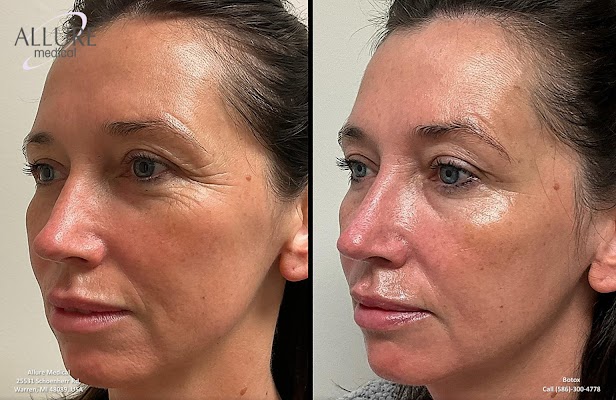
Forehead: The goal is botox forehead smoothing that respects brow position. I use lower doses across the frontalis and avoid blanket numbing high on the forehead in patients with natural brow heaviness. Selective weakening allows shape without drop.
Glabella: Wrestling the “11s” between the brows takes judgment. Aggressive dosing can dull expressiveness or flatten the brow. I prefer incremental treatment and check mid-course, especially in first-timers.
Crow’s feet: For botox for eye wrinkles, smaller amounts placed with attention to smile dynamics can soften without erasing the charm of a grin. A micro botox pattern works well here, and it reduces the chance of lower lid laxity.
Brow shape: A nuanced botox eye lift raises the tail of the brow by releasing lateral depressors more than the central elevator. This is a millimeters game, not centimeters.
The lower face requires even more restraint. Botulinum toxin in the perioral region can alter speech and eating if poorly placed. That said, subtle botox lower face treatment can refine tension that pulls contours downward.
Lip corners and marionette lines: Softening the depressor anguli oris can brighten a resting expression without filler. For some, a whisper of product reduces the tug that carves marionette shadows.
Chin: Dimples and “orange peel” texture often come from overactive mentalis. Microdosing smooths the cobblestone look and can soften a tucked, tense chin.
Jawline and platysma: In people botox locations close to me who clench, masseter muscles bulk the lower face. Carefully done botox masseter slimming is foundational for botox for facial slimming and a wider aesthetic “V.” Light dosing to platysmal bands can complement jawline crispness and aid botox for neck rejuvenation.
The “glow” conversation and skin quality
The number one misconception is that Botox is only for wrinkles. While it is a botox anti wrinkle therapy at heart, advanced botox techniques can influence skin quality. Micro botox placed intradermally can reduce oil and sweat output in targeted zones, leading to a smoother surface and less congestion. This is the logic behind botox for pore reduction, botox for oily skin, and the so-called botox glow treatment. Patients describe makeup that sits better and fewer midday blotting papers. For those with reactive redness, some notice calmer flares when facial flushing reduces, a benefit aligned with botox for rosacea, though not every case responds and expectations need careful framing.
The effect is not exactly botox skin tightening, which is more about collagen and elasticity, but better texture and sheen create a convincing lift to the eye. For acne-prone skin, botox for enlarged pores and oil management may support fewer breakouts, and for shallow rolling acne scars, the smoothing can be modestly helpful. Anything deeper still needs resurfacing or microneedling, but a micro botox session can be a smart adjunct.
Facial balance over frozen youth
A balanced face draws attention to the eyes first, then the mouth. Subtle Botox aims to correct pulls that distract from those focal points. I think about botox for facial balance in terms of vectors. Where do muscles drag downward or outward? Could a small release promote symmetry? Botulinum toxin can assist botox for asymmetrical face presentation, whether one brow sits lower, one corner of the mouth turns down more, or a chin muscle contracts unevenly. Incremental change across two or three sessions often accomplishes more than a single aggressive pass.
In patients with a wide lower face from clenching or bruxism, botox for square jaw and botox for clenching jaw serve both aesthetics and function. Reduction in masseter bulk over 6 to 12 weeks narrows the jawline and can ease discomfort associated with botox for TMJ and botox for teeth grinding. Doses are typically higher here than for lines, and the effect builds cumulatively with maintenance.
When combining treatments is smarter
Toxin relaxes muscles. Filler replaces or repositions volume. Skin treatments improve texture. Many of the most natural results come from combining botox and fillers at conservative doses rather than pushing one tool to do everything. For example, botox for smile lines around mouth has limits, since nasolabial folds are often volume related and worsened by midface descent. In such cases, a light toxin touch at perioral pullers plus strategic filler restores curves without over-paralyzing function. This is the essence of a botox filler combination: toxin eases motion lines, filler supports structure.
I often pair botox with radiofrequency microneedling or light resurfacing to tackle leathery texture and to complement a botox hydration boost, which in practice means less transepidermal water loss and finer pore appearance following micro botox patterns. For neck work, addressing platysmal bands with toxin while treating crepey skin using energy-based devices can deliver a cleaner profile than either alone. Patients seeking botox for double chin typically need fat-reduction modalities or weight loss in tandem, because toxin won’t dissolve fat.
A discreet procedure, not a mystery
Patients ask about the botox injection process as if it’s complicated. It’s brief and straightforward when done well. A focused consultation maps the face in motion and at rest. The injector evaluates brow position, lid weight, asymmetries, dental wear patterns, and habitual expressions. After cleaning, placement takes a few minutes of precise sticks. Most patients describe the sensation as tiny pinches.
The botox session duration usually ranges from 10 to 25 minutes, depending on how many areas we treat. With light botox injections and micro botox, more injection points are used, though the total dose is conservative. Results begin to appear in 2 to 5 days, settle by two weeks, and last 3 to 4 months for dynamic lines. Masseter slimming and botox for platysmal bands often last 4 to 6 months, sometimes longer.
Downtime is minimal. For botox after treatment and routine care, I recommend staying upright for 4 hours, avoiding strenuous workouts for the day, skipping facials, massages, or tight hats that press on injection zones for 24 hours, and delaying alcohol until evening. Tiny bumps or pinpoints from the botox cosmetic procedure fade quickly. Bruising is possible but uncommon when technique is careful and vessels are avoided.
Safety, dosing, and the role of the injector
Botulinum toxin has an excellent safety profile when delivered by a qualified botox specialist. Issues arise from poor mapping, heavy dosing in light brows, or chasing lines rather than understanding pull. The number one safeguard is a certified botox provider who treats the face as a dynamic system. Anatomy varies widely, and so should dosing. This is why a personalized botox plan matters more than a menu of fixed units.
Common side effects include transient headache, tenderness, or tiny bruises. Rare events like brow ptosis or lid drop usually stem from migration or misplacement. Strategic spacing from the orbital rim and measured dosing minimize these risks. When they happen, they tend to improve as the product wears.
Patients with neuromuscular disorders, active infections at injection sites, or known allergies to components should avoid treatment. For pregnancy and breastfeeding, I advise waiting due to limited safety data. Disclose all supplements and medications to your clinician, since fish oil, aspirin, and certain herbs can increase bruising risk.
Beyond beauty: therapeutic uses that also read as subtle
Many patients discover Botox through its medical side. Botulinum toxin entered mainstream medicine long before the first botox beauty treatment. For some, botox migraine treatment and botox for tension headaches provide reprieve when medications fail. I’ve had office managers who receive quarterly botox for migraines prevention, then notice softer frown lines as a pleasant side effect. In those protocols, dosing patterns differ, treating scalp, temples, and neck per medical guidelines.
Botox for excessive sweating is another life quality change. Underarms, scalp, palms, and soles can all be treated. I’ve watched professionals gain confidence presenting after scaling down botox scalp sweating or palms sweating. The procedure follows similar principles of mapping and dosing, though injections are intradermal and more numerous. Results last longer than facial dosing, often 5 to 7 months, sometimes up to a year.
The “tox and texture” misconception
Patients sometimes expect botox skin tightening or a literal lift. While a botox facial lift can be achieved by releasing downward pullers and letting elevators win, real tightening comes from collagen remodeling, fat repositioning, or surgery. Toxin creates the perception of lift by changing muscle vectors, not by shrinking skin. I find that setting this expectation early avoids disappointment and guides better treatment sequencing. For a heavy neck, for instance, botox for neck rejuvenation may refine bands, but it cannot correct laxity from redundant skin. That might call for energy devices or lift procedures, with toxin as a helpful adjunct.
Caring for your results without fuss
Two habits extend results more than any miracle cream. First, sun behavior. Lines form faster in faces that squint and tan, which is why dark, polarized sunglasses and high-SPF mineral sunscreen outpace any serum in preserving a botox anti aging solution. Second, stress management. People who chronically clench or scowl burn through their botox treatment results sooner. Many notice they can “unlearn” certain expressions over time, reducing required doses.
As for skincare, I recommend a lean routine after botox skin rejuvenation. A non-foaming cleanser, a vitamin C antioxidant in the morning, broad-spectrum SPF, and at night a gentle retinoid if tolerated. Pairing botox and skincare routine wisely helps maintain the botox smoothing results, keeps pores clear, and supports that soft-light reflection that patients read as the botox glow treatment. Harsh at-home devices right after injections are not helpful; give the skin 24 to 48 hours to settle.
The rhythm of maintenance without the trap
There is a sweet spot between “not enough to notice” and “too much to be you.” Most end up returning every 3 to 4 months for facial lines, and every 4 to 6 months for masseter or platysma work. A thoughtful botox maintenance plan often starts a bit more frequent in the first year, then stretches as baseline lines soften and muscle memory adapts. Some patients come twice yearly and accept a bit of motion at the end of the cycle. Others prefer consistent smoothness and book on the calendar the day they pass 12 weeks.
Heavy up-dosing to extend longevity rarely looks better. Subtle botox enhancement respects both movement and the natural aging arc. You should still look like yourself next year, just well-rested.
Who benefits most from subtle Botox
Three patient profiles stand out in my practice. First, the expressive early-30s professional who notices “11s” and forehead lines in photos. Here, micro botox prevents deep creasing and maintains crisp makeup. Second, the late-30s to 40s parent with etched crow’s feet and a tired brow. Soft doses restore openness around the eyes and reduce squinting. Third, the jaw-clencher in any decade, with fullness at the angles of the mandible. Botox for bruxism and botox for clenching jaw improve comfort, reduce headaches, and slim the lower face over months.
Those with droopy lids or heavy brows require careful mapping to avoid worsening the issue. Patients chasing total erasure of lines may be happier with resurfacing alongside toxin or with the understanding that some lines contribute to character. If you rely on extreme eyebrow lifts when speaking, you may prefer light botox injections that focus on the glabella and leave the frontalis more mobile.
What a meticulous appointment looks like
A good session feels like a fitting, not a sales pitch. We review prior botox injection details if you have them: dose, sites, how long it lasted, and what you liked or disliked. I map facial expressions while you talk. I may mark lines, then erase and re-mark after seeing your neutral face. Precision botox placement often ignores the “cookie-cutter” points you’ll find online. Subtlety comes from understanding where your muscles actually contract and how they counterbalance.
I explain why a unit here works against a unit there. For first-timers, I keep a conservative hand, then schedule a two-week review. The top-up, if any, is targeted. Over time, we may refine a personalized botox plan that adjusts through seasons or stress cycles. For instance, those who sweat more in summer may benefit from botox scalp injections for special events or travel, while easing back in cooler months.
Setting realistic expectations, with numbers
If you track metrics, here is what most patients experience with subtle Botox:
- Onset: early changes in 2 to 5 days, full effect at 10 to 14 days. Longevity: 3 to 4 months in most upper-face areas; 4 to 6 months for masseters and platysma. Doses: glabella 8 to 20 units in a subtle approach, forehead 6 to 12, crow’s feet 4 to 12 per side, masseters 15 to 30 per side depending on size. Your plan may sit outside these ranges based on anatomy and brand potency.
These figures are typical, not promises. People metabolize differently. Athletes with high baseline metabolism and people who emote frequently may notice faster fade, while lower-dose, high-precision work can sometimes last longer due to improved muscle habits.
The role of innovation without gimmicks
Modern botox therapy has evolved past rigid templates. Latest botox innovations include refined dilution strategies for micro botox patterns, ultrasound guidance in difficult anatomy, and data-backed dosing for medical indications such as botox migraine treatment. Innovative botox uses continue to emerge, from targeted botox for head pain linked to muscle trigger points to botox for scalp rejuvenation to help with sweaty blowouts before events. Each innovation still relies on fundamentals: anatomy, dosing, and respect for function.
The line between tasteful and “too much”
If strangers compliment your skincare rather than asking what you had done, we hit the mark. Over the years, I’ve corrected many cases of heavy-handed work: dropped brows from overtreated frontalis, stiff smiles from careless perioral dosing, and “shelf” cheeks where filler tried to do a job better suited to botox facial relaxation and gentle lifting techniques. Subtlety calls for editing, not erasing. If a line only appears with a big laugh, leaving it fully alone can be a good choice. Expression softening should never cost your warmth.
A brief step-by-step, for the curious
- Consultation and mapping: discuss goals, review history, watch expressions, and mark vectors. Cleansing and prep: remove oils and makeup, apply optional topical anesthetic if needed. Injection: tiny, controlled amounts per site with attention to depth and angle; more points for micro botox. Immediate care: gentle pressure for any pinpoint bleeding, avoid pressing or rubbing the area. Follow-up: a two-week check to assess function and symmetry, then refine as needed.
Why subtle wins, over time
Graceful aging is not the absence of change. It is the presence of intention. Subtle botox subtle enhancement aligns with that idea. You keep your range of expression, your quirks, and your lived-in charm, while the harsh edges smooth away. Long term, consistent conservative treatment creates less seesawing between “perfect” and “expired.” It respects the fact that bone, fat, skin, and muscle age at different speeds.
When you look at someone who appears vibrant and unbothered by time, chances are you are seeing small, well-judged decisions repeated over years. A strategic botox aesthetic treatment plan, occasionally combined with filler, skin work, and sane sun habits, is one of those decisions.
If you are ready to explore, prioritize an expert botox injector at a reputable botox clinic. Look for a professional botox service that photographs expressions, not only posed stills, and that talks you out of more when less will look better. Safe botox injection is a partnership. The art lives in restraint, and the result reads as confidence, not cosmetic intervention.